


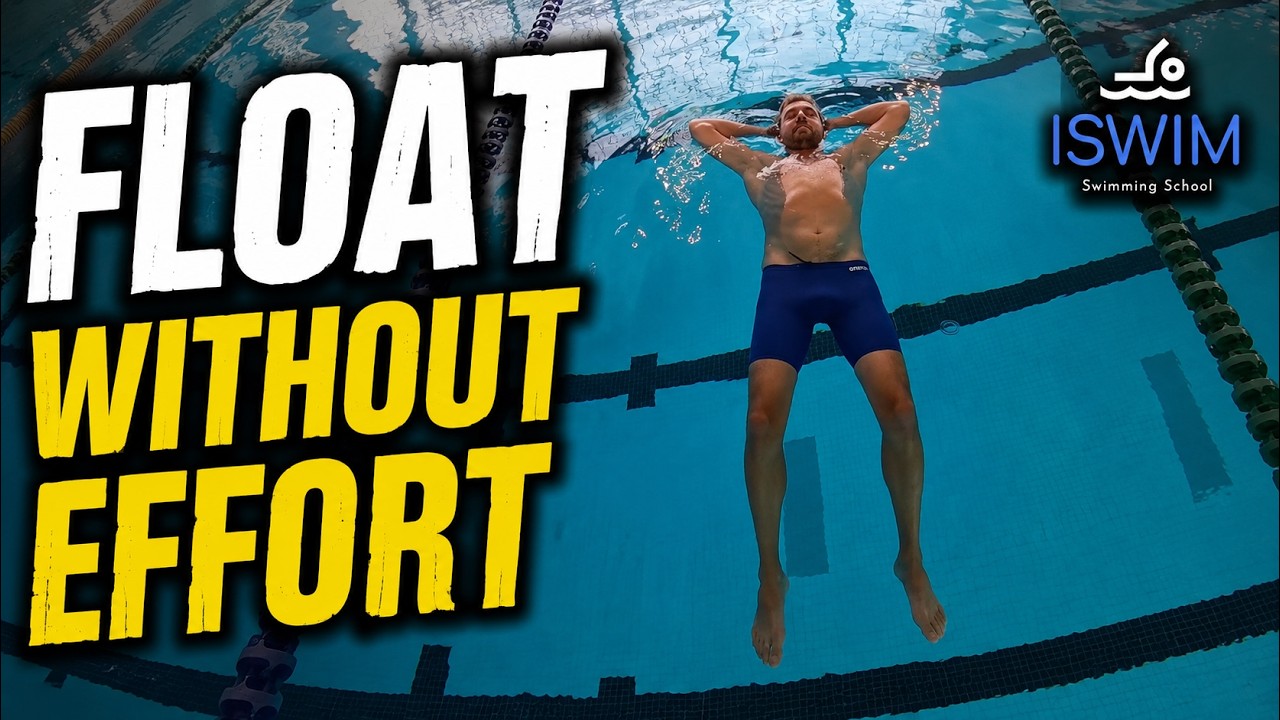
How to Float in Deep Water Without Getting Tired

This ISWIM video lesson explains how to float in deep water with a clear demonstration and practical coaching points. Use the video together with the notes below to understand the movement, recognise common mistakes and practise more purposefully.
How to float in deep water
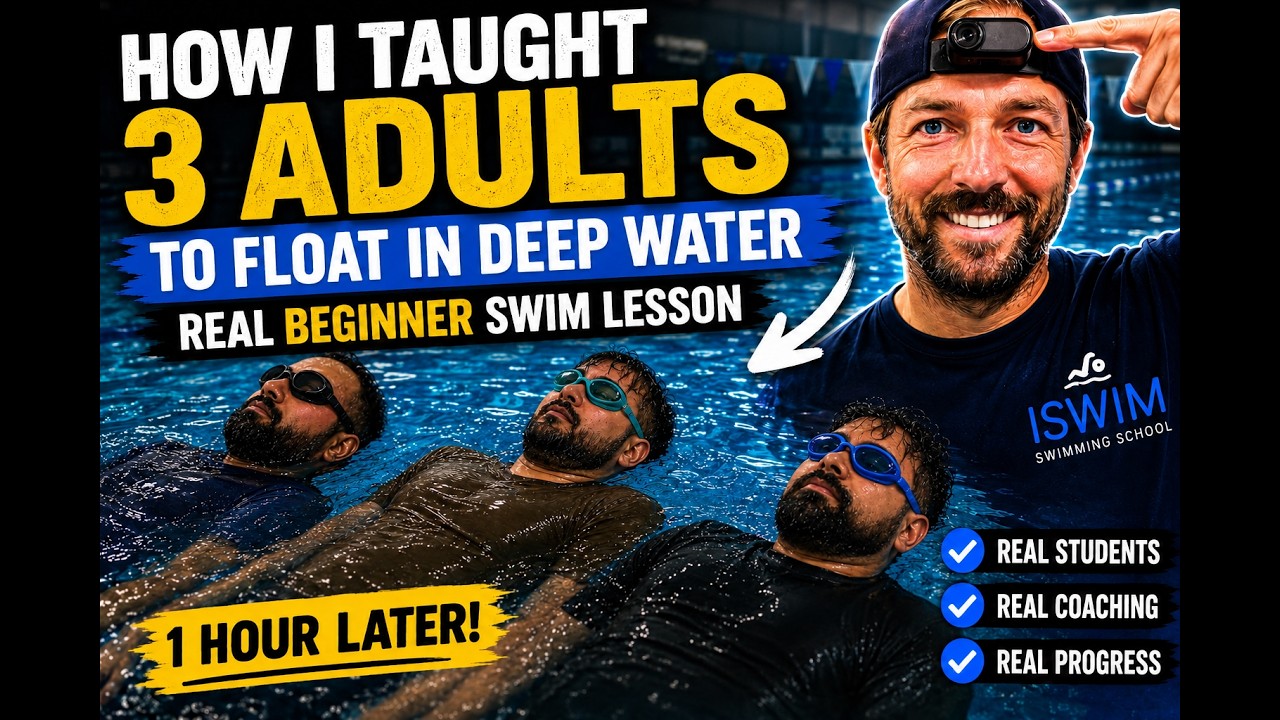
Learning how to float in deep water is one of the most important swimming skills for beginners.
In this full swimming lesson, I'll teach you step by step how to relax, stay calm, control your breathing, and float confidently—even if you're afraid of deep water.
Why most people sink ✔ How breathing affects floating ✔ How to relax your body ✔ Common mistakes beginners make ✔ Simple drills to practice ✔ How to stay safe in deep water
Key Skills and Takeaways
Use breathing to support buoyancy
Relax the neck, shoulders and hips
Progress from supported drills to an independent float
Correct the instinct to sit up or lift the head
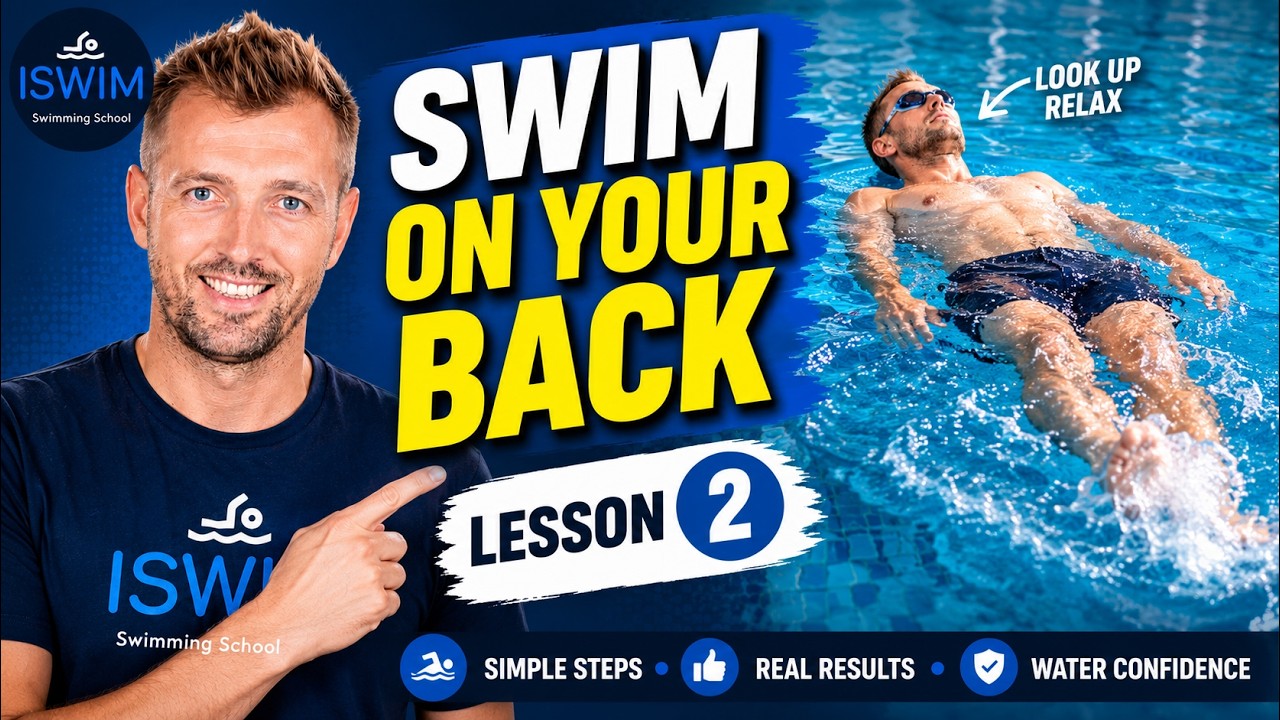
Use a back float as an energy-saving position
How to Practise
Practise with a kickboard or flotation support first
Allow the ears to enter the water and keep the head neutral
Use gentle sculling only when additional support is needed
Safety First
Practise with supervision and never test a new floating skill alone in deep water. Stay close to a wall until the position is reliable.
Frequently Asked Questions
Is this lesson suitable for beginners?
Yes. The video breaks the skill into manageable steps. Begin with the easiest supported version and progress only when you can stay relaxed and in control.
How often should I practise this skill?
Short, focused practice is usually more productive than repeating the skill until exhausted. Work on one or two details at a time and stop while you can still maintain calm breathing and good control.
Do I need a swimming instructor?
Video lessons can clarify technique and help you prepare, but an instructor can see your individual movement, correct unsafe habits and adapt the progression to your current ability.
Continue Learning with ISWIM
Use this lesson as one step in a wider learning plan. ISWIM offers structured swimming instruction for beginners, adults, children and experienced swimmers who want focused feedback on technique and water confidence.
Comments